
What Do Pure Album Sales Represent Heading Into 2027?
Many of you will label me a dinosaur for saying this, but – I still buy physical albums.
While I know people like me aren’t nearly as plentiful as we once were, we are by no means extinct, as proven by the fact that there are a number of artists out there who are still, as we used to say, moving units.
Seeing artists sell hundreds of thousands of albums, some even legitimately going gold (500k sold), and platinum (1m sold), is wildly impressive in a time when streaming has become the dominant medium for how people listen to music.
So heading into 2027, if an artist is able to have significant pure album sales (i.e. physical sales and downloads, rather than streaming equivalent units), what does it represent?
Let’s dive into it.
Note – I’m using Hits Daily Double for the sales numbers, and Chartmasters for the streaming percentages, with all the numbers being from last Friday.
For an artist, pure album sales represent an opportunity to breathe.
Point blank – if you’re selling albums, you can take time off.
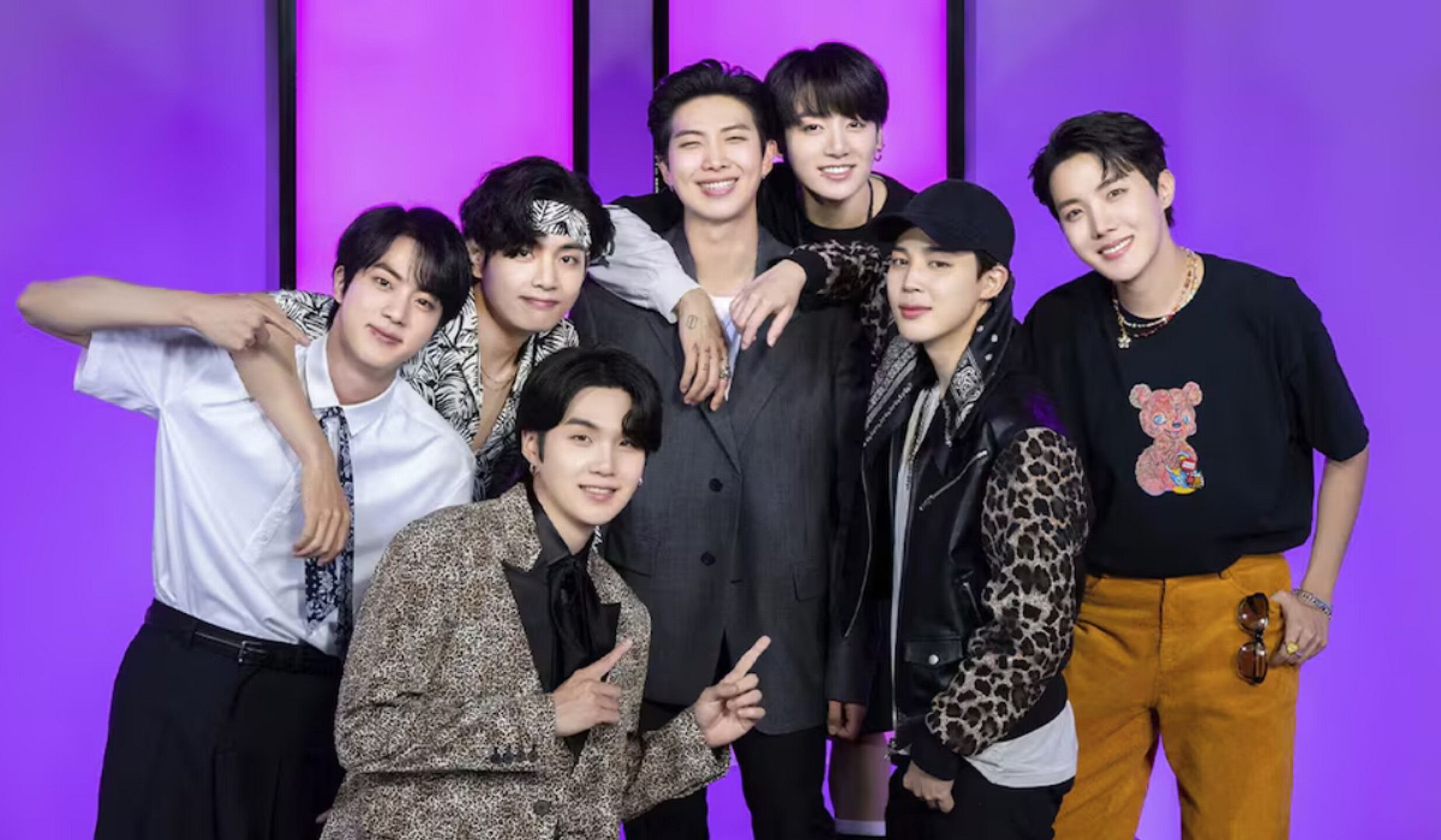
BTS proved this by having five years in-between studio albums as a group. The break was due to mandatory military service for each member, and the individual members were able to have solo releases during that time, but as a group they hadn’t been together in quite a while.
When their 2026 album, ARIRANG, was released, their fans picked it up in droves, with the k-pop group racking up over one million in pure album sales in the U.S. That’s legitimate platinum.
Only 62% of their overall “sales” number, which includes streaming equivalent units, has come from streaming (“sales” is in quotes because once streaming is included it isn't truly a sales number). This is a low percentage compared to other popular artists, which might be surprising to anyone who thinks all young people solely listen to music via streaming.
The group’s success after a five year gap between full-length albums shows that when an artist has fans that buy albums, that artist can take time off knowing their fans won’t forget them, or replace them with the next hot artist, or group.
Other artists whose pure album sales from their 2026 releases suggest they can take time off without worry include …
Harry Styles – Kiss All The Time has sold over 375k units, with just 71% of his overall “sales” coming from streaming.
Ariana Grande – Petal has sold over 250k units, with a 77% streaming impact on “sales.”
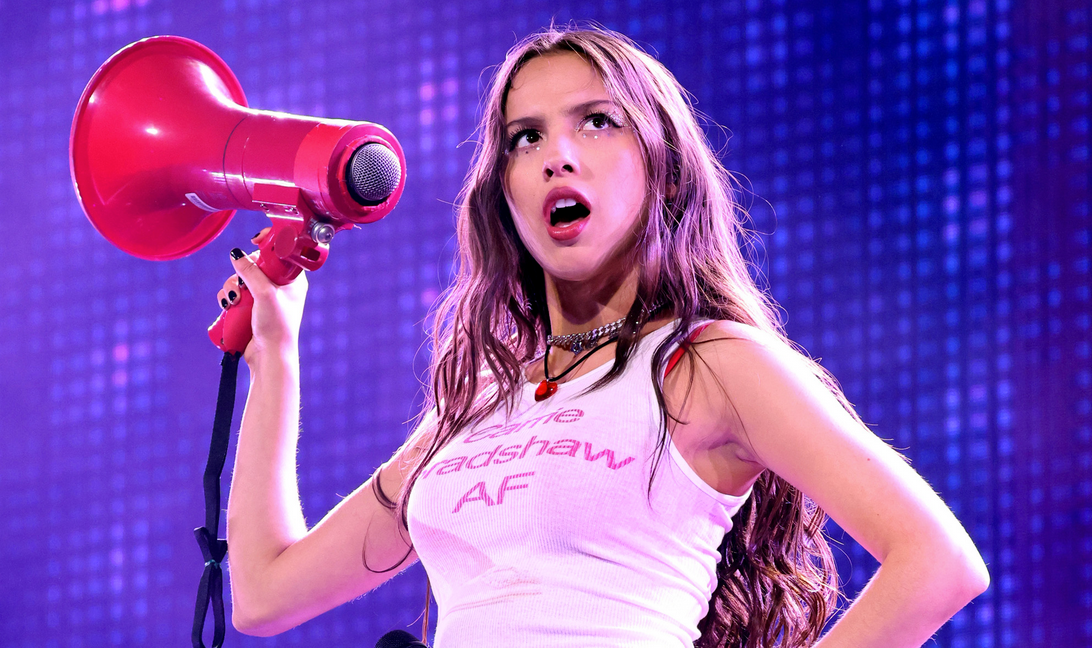
Olivia Rodrigo – You Seem Pretty Sad for a Girl So in Love has legitimately gone gold, with pure album sales of over 550k. Streaming currently represents 84% of overall “sales” for the release.
Noah Kahan – The Great Divide is at nearly 375k in pure sales, with an 84% streaming rate.
Bruno Mars – The Romantic has over 250k in sales, with an 86% streaming rate, and, quite frankly, with his resume, and unique sound, he’s in truly rarefied air, as he can do anything he wants at this point, and people will still be excited for whatever he releases.
Looking at this list of pure album sales leaders, I don’t think it’s a coincidence that it’s also a list of artists that can sell out an arena. Case in point, Harry Styles just wrapped up an impressive 30-date residency at MSG.
Now, some of you may look at that 86% for Bruno Mars and think – isn’t that still kind of high? The answer is both yes, and no. It’s high, but if we look at some of the other current chart toppers, 86% for streaming is a number that indicates he’s still good at moving units the old fashioned way.
Interestingly, country, and hip-hop, are the two genres that are most reliant on streaming.
Again, using the numbers from albums released this year …
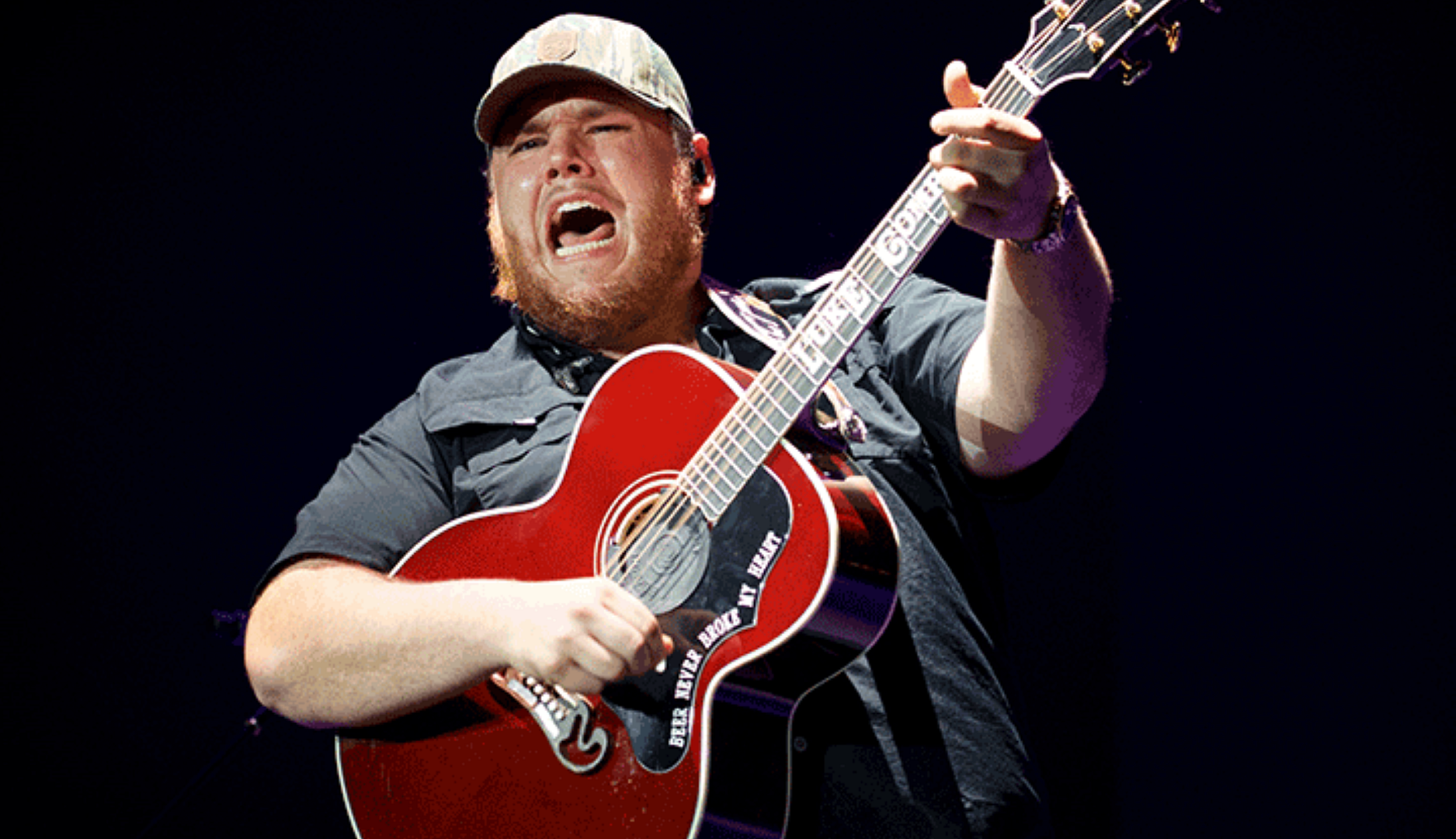
Luke Combs’ The Way I Am has sold less than 55k copies, and is 94% reliant on streaming.
Zach Bryan’s With Heaven On Top is at just over 50k in pure album sales, and is 95% reliant on streaming.
(I’m not including Ella Langley because I don’t have the streaming percentage for her, but she’s sold 200k copies of Dandelion, which seems low for having the song that spent the most time in history at #1 on the Billboard Hot 100.)
The truly wild one, however, is Drake. The man who continues to be given platinum plaques, is almost entirely reliant on streaming. His 2026 album Iceman sold 17k in its first week back in May, and still hasn’t cracked 18k in sales. It’s currently 99% reliant on streaming.
Considering back in the day artists like Garth Brooks, and Shania Twain were selling tens of millions of albums, and Eminem had an album surpass 1.5 million in sales in just its first week of release, it’s really intriguing that country and hip-hop have gone from best selling, to worst selling, but most streamed.
In a bit of a twist, Drake’s older albums are actually selling this year, with Take Care moving 60k units, and Views moving 30k. This might be a sign that his fans, having grown up on his music, want the nostalgia.
Speaking of nostalgia, classic albums are doing exceptionally well when it comes to pure album sales, outselling many new releases.
Five of the Top 50 selling albums this year are classics, and they’ve reached this height again through an impressive amount of pure album sales.
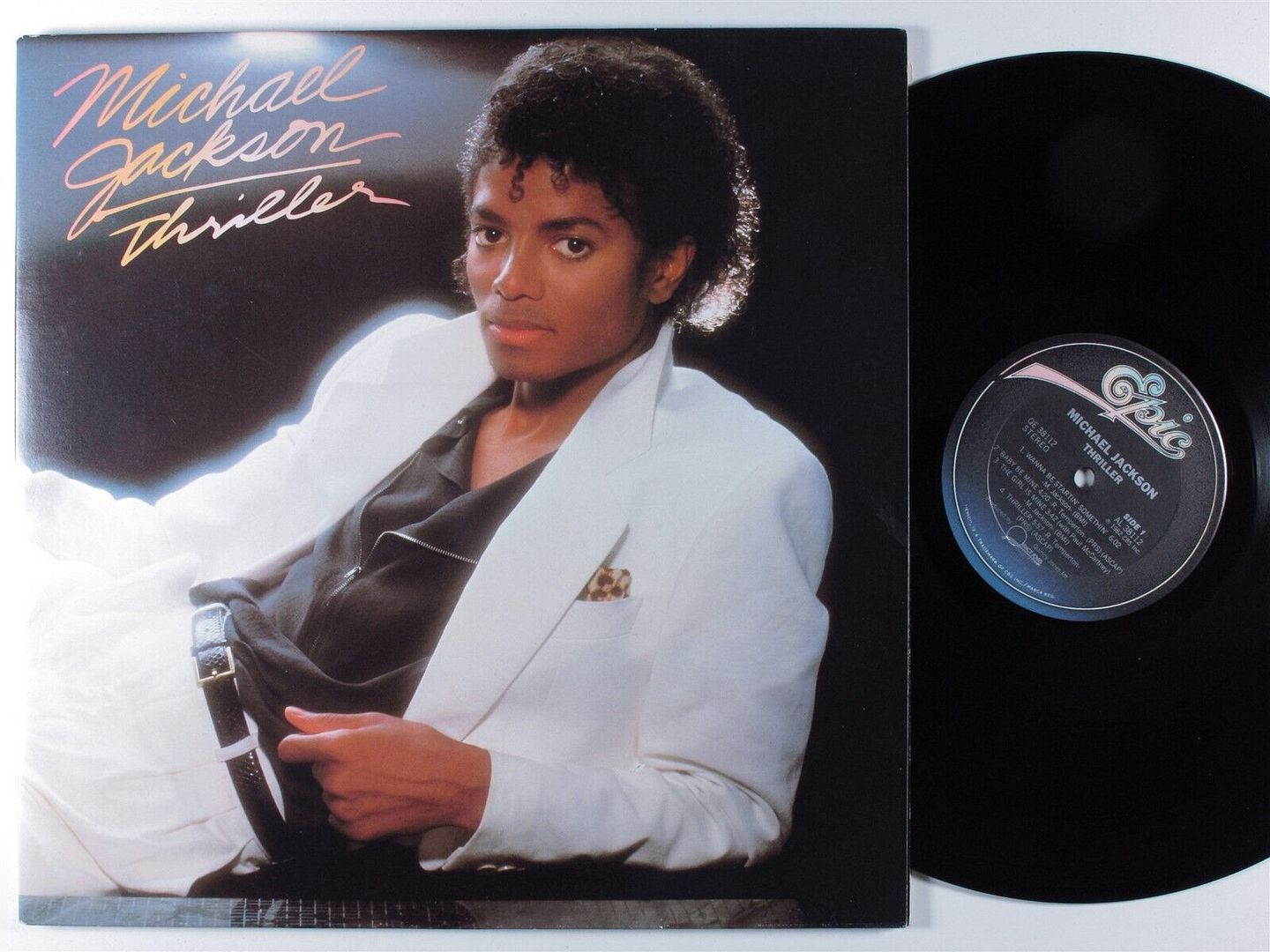
Michael Jackson’s Thriller, which has already sold roughly 35 million copies in the U.S., and nearly 70 million copies worldwide, has sold another 350k copies in the U.S. this year.
The king of pop’s Number Ones has moved 250k units in 2026.
Fleetwood Mac continues to be a force with their 1977 classic Rumours selling nearly 150k this year.
Queen, meanwhile, has seen over 85k in pure album sales of their Greatest Hits, as has Credence Clearwater Revival with their greatest hits album, Chronicle.
These are all albums that have already sold millions, and in most cases tens of millions, of copies. Why are they still selling? If I were to hazard a guess, it’s because they’re fantastic albums, and every year new young people are discovering the music, and want it as part of their lives. People value these albums.
Brand new artists, however, are seemingly only being pushed on streaming.
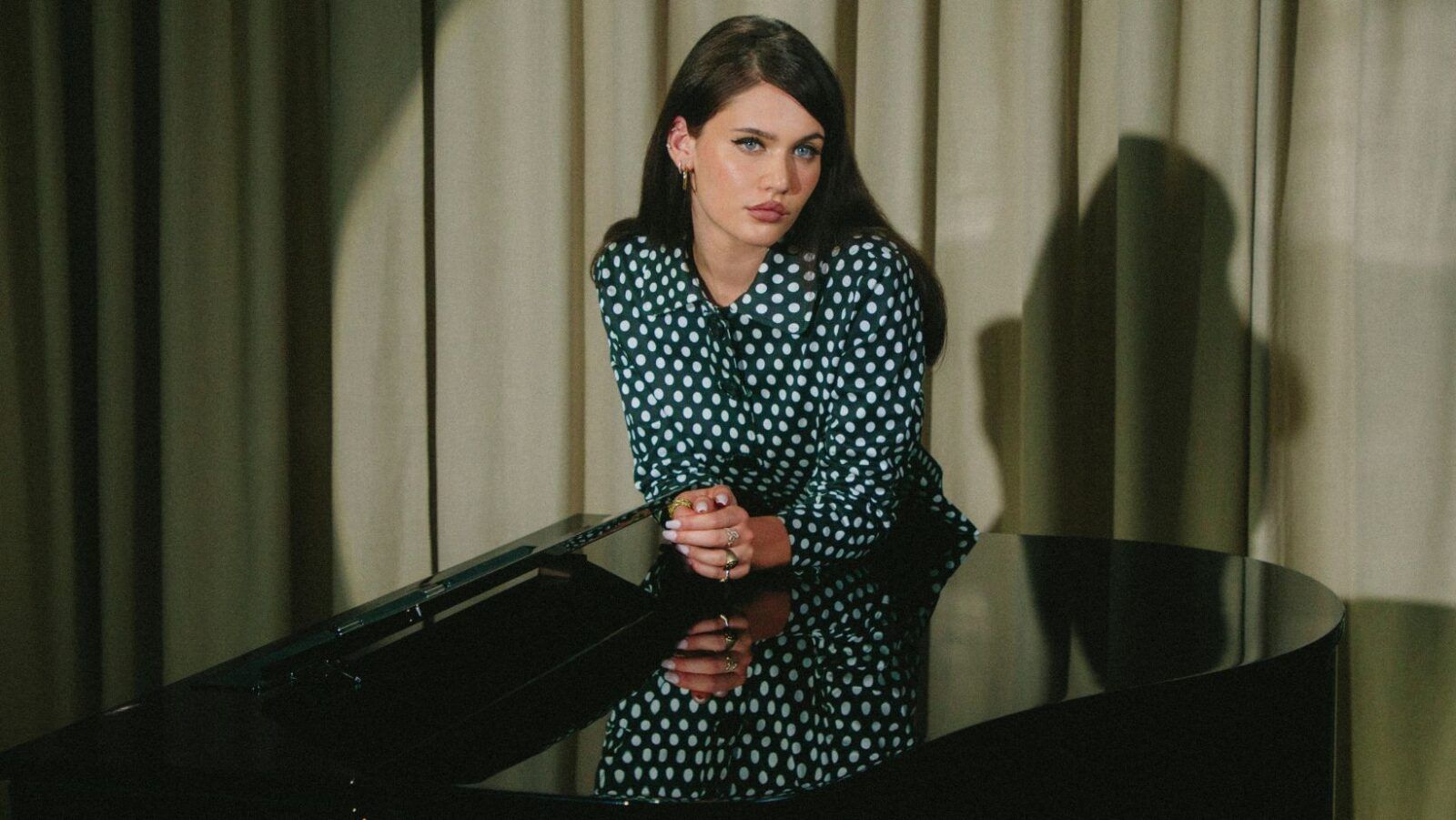
While I’m sure it’s easier to build a following on streaming – or at least the illusion of a following. 80 bajillion listeners doesn’t necessarily equate to any ticket sales – whether or not that following will actually stay with an artist remains to be seen. With that in mind I find it a bit odd that two of the biggest new names on the scene over the past few years are almost wholly dependent on streaming.
Sienna Spiro has barely passed the 50k mark for pure album sales for Visitor, with the release being 95% reliant on streaming.
Sombr’s I Barely Know Her, which came out in August of 2025, and has sold a total of 127k copies, has been 98% reliant on streaming since the calendar turned to 2026.
This seems odd, especially for Sienna Spiro, because after hearing her perform “Great Expectation” you’d figure her to be an artist that inspires album sales.
In general, new artists being built solely on streaming seems like a terrible idea to me. Yes, streaming has to be a major part of an artist’s career, but these artists are being set up to have to constantly chase streaming success, and playlist placements. This is a recipe for artist burnout, and while the label can just move on to the next singer, or band, it leaves the artist floundering.
So in the end, pure album sales can represent a number of things, but one thing it definitely represents is the potential for longevity. Longevity, with a side of mental health.
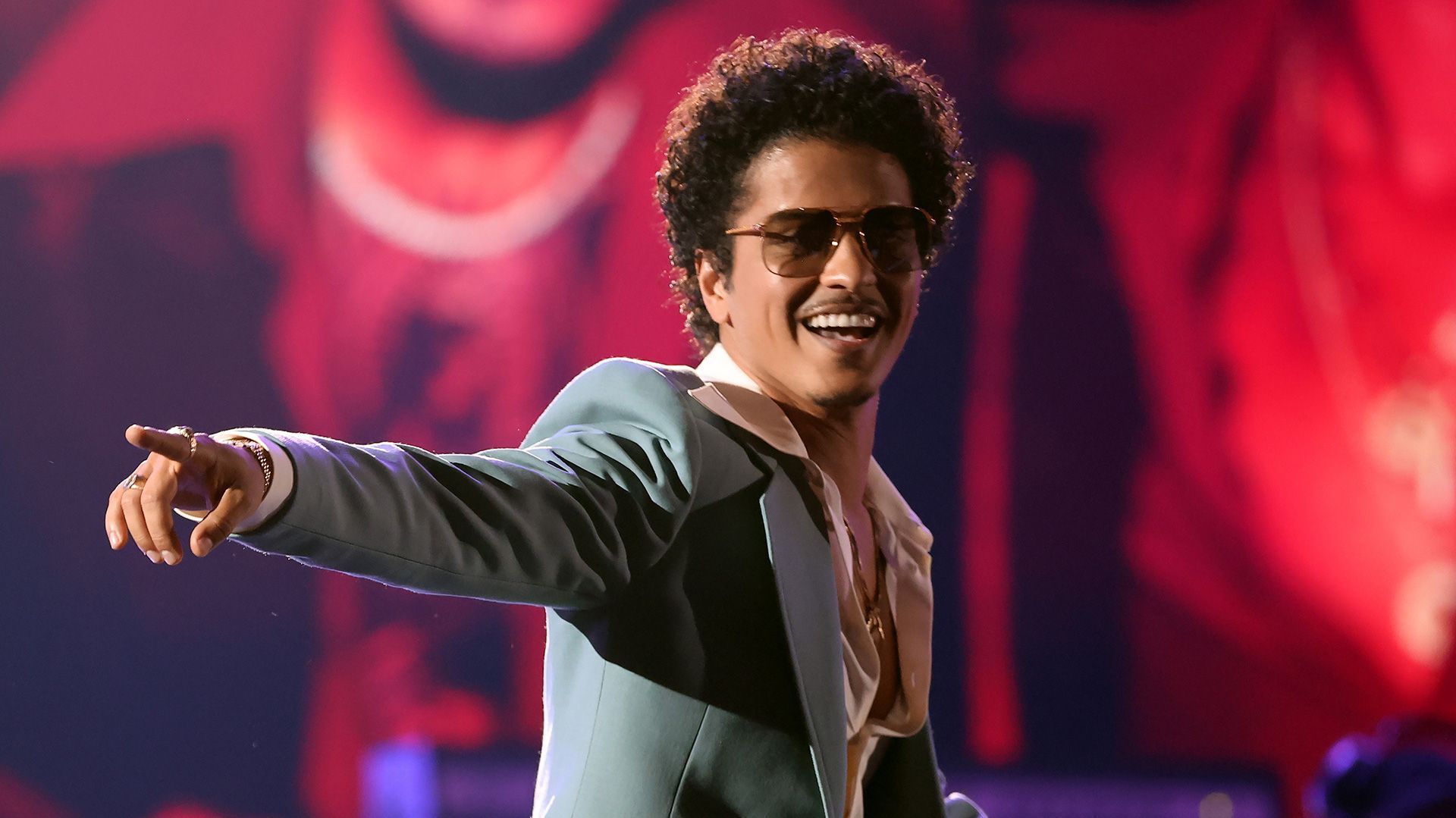
The mental health aspect comes from the ability to take time off, and having more space to breathe, rather than being on the hamster wheel of streaming, and constantly having to chase their latest single. Having downtime leads to lengthier opportunities to cultivate creativity, which leads to artistic growth, and in turn, even more memorable music.
I’m not saying an artist can’t have longevity via streaming, Drake is an example that proves an artist can, but he is one in a sea of thousands, the vast majority of which listeners forget about as soon as a song is no longer hot.
If the list of artists who are leading in pure album sales is any indicator, and I think it is, when an artist racks up actual sales, they can rest assured they won’t be forgotten anytime soon.
If you liked this article, check out my latest book – One Hit Wondering: The Stories of 40 One Hit Wonders + Other Tales From The Crates. Available now!
Comments