
Future Losses – The Legacy Issue Potentially Awaiting Today’s Biggest Artists
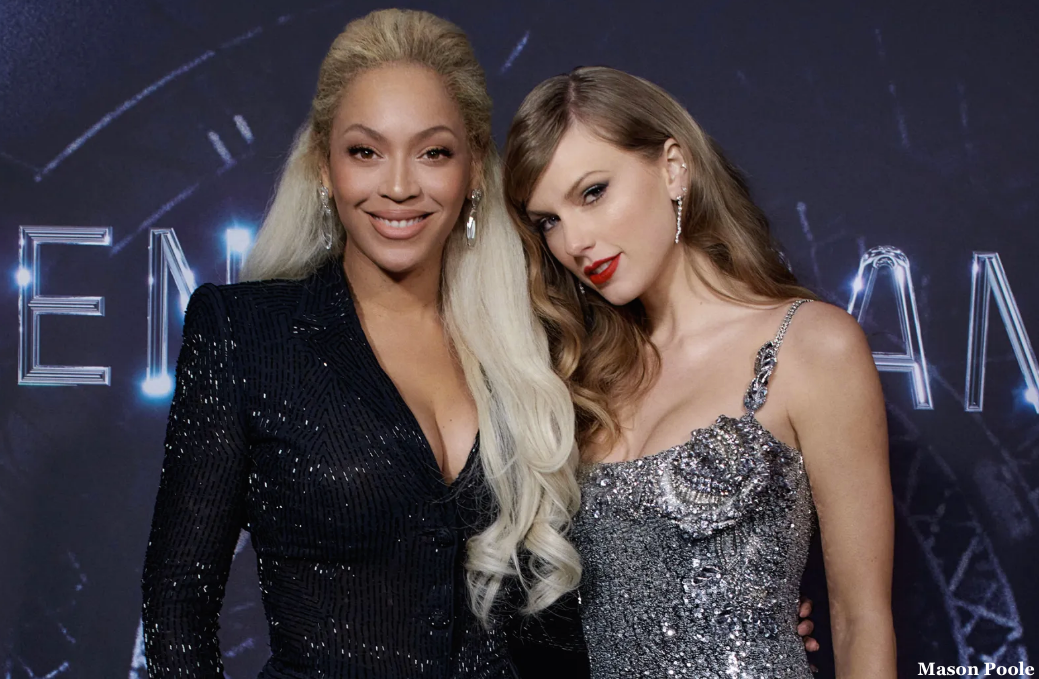
Beyonce and Taylor Swift are superstars on a level all of their own. Everybody knows who they are, but how many of their songs from the past decade can you name? If you aren’t a fan, only pre-streaming era hits will likely come to mind.
Why is this the case, and what does it mean for the musical legacies of these, and other, current megastars?
Before we can get to the legacy aspect of things, first we need to dive into what makes a song a hit.
You’re Everywhere to Me
Fans may point to how many Top 10 songs an artist’s had, and say – see, look at all these hits! A hit, however, isn’t simply a number ranking, it’s a song that’s ever-present. It has to be known even by people who don’t care for the artist. Essentially, a hit is a song that’s unavoidable. It’s everywhere.
A perfect example of this would be the music released by Hootie & the Blowfish in 1994 and 1995. You couldn’t go anywhere during those years without hearing a song from Cracked Rear View, and everyone still knows the words to the songs, even if they weren’t a fan.
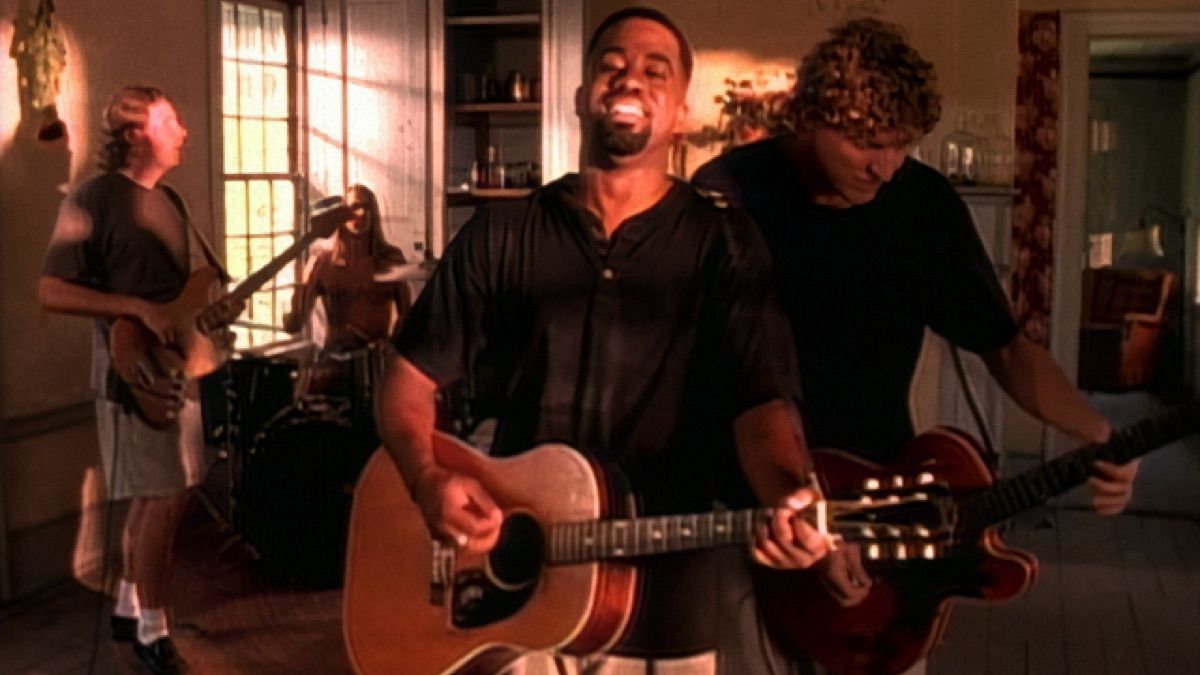
Beyonce and Taylor Swift have had songs all over the Top 10 every time they’ve released an album over the past decade, but those songs aren’t ever-present, and this is because being in the Top 10 doesn’t represent what it used to.
The Era of the Unavoidable Superstar
Back in the day, the only way an artist could have a song in the Top 10 of the Billboard Hot 100 was by having a single that sold well.
Having a number of well-received singles after an album’s release would lead to more album sales, because each additional hit inspired more people to pick up the full LP. Then each spin of the album would keep the older singles in people’s minds as time went on.
These would be the first steps to longevity, and a lasting legacy.
Michael Jackson released the lead single from Thriller in October of ’82, followed by the album in November, and then six more singles over the course of a year.
Paula Abdul released singles from her 1988 debut, Forever Your Girl, for a year and a half.
In 1998, seeing massive radio airplay for songs not released as singles, such as Natalie Imbruglia’s cover of “Torn,” Billboard changed the chart to also incorporate radio airplay.
When you combine sales with radio airplay, it meant the songs in the Top 10 were truly unavoidable, and no one played this game better than Taylor Swift back in 2014.
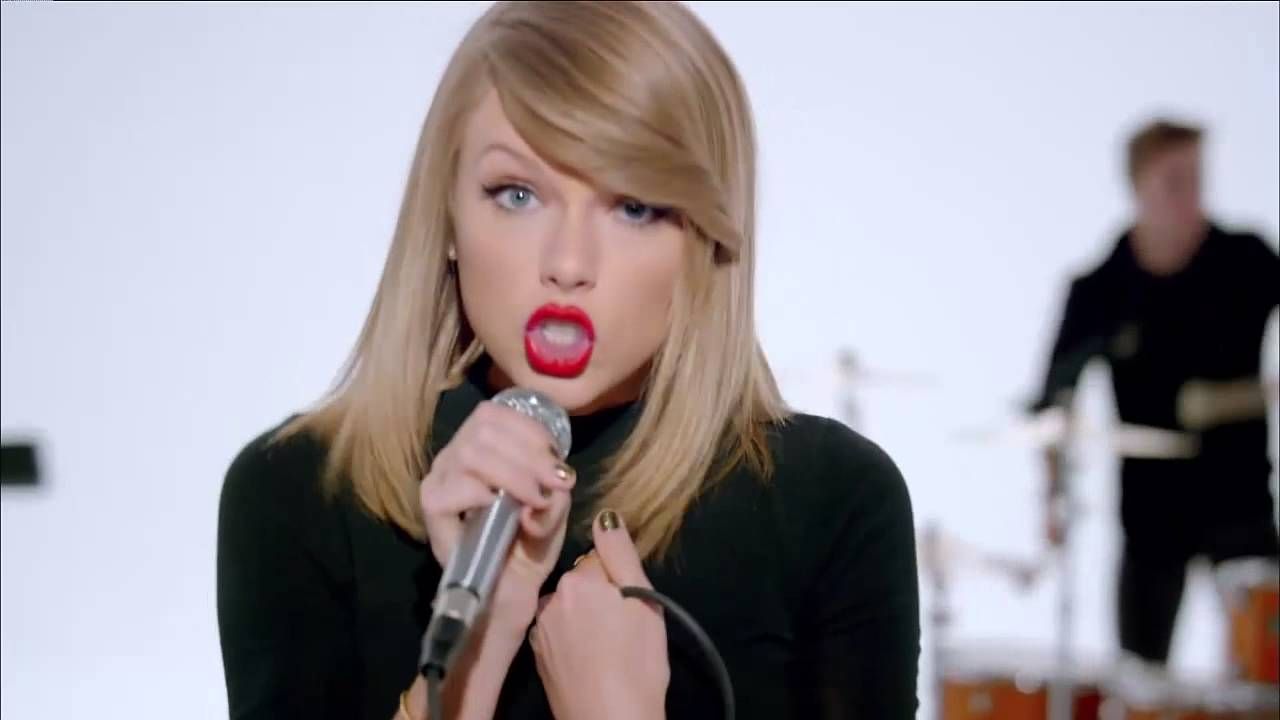
It was a much different time for Taylor, who was anti-streaming, and kept her music off Spotify, so when she released “Shake It Off” as the lead single from her 2014 album 1989 two months before the LP would come out, people had to buy it, watch the video on YouTube, or wait for it to come on the radio … although they certainly didn’t have to wait long, as it was on seemingly every ten minutes.
By the time the album came out, “Shake It Off” was one of the most unavoidable pop songs of all-time, and Taylor would go on to release six more singles from the album between its October 2014 release, and February of 2016.
If pressed, most of us can name a handful of those songs, because, again, they were everywhere.
During the summer of 2017, however, Taylor put all of her music on streaming, and her songs suddenly became avoidable.
The Era of the Avoidable Superstar
I can already hear the outcry from her fans – “Are you stupid? Taylor rules Spotify! She stays in the Top 10 now!”
Yes, she rules Spotify, and she stays in the Top 10, but being in the Top 10 of the Billboard Hot 100 now represents something very different than it used to.
In 2007 Billboard began incorporating streaming into its Hot 100 rankings, adding weight to the format a number of times, including just last month announcing that beginning with the January 17th chart even more weight will be given to streaming.
Due to those rule changes, streaming has overtaken sales, and radio airplay, as far as chart rankings go, and because of that a Top 10 hit today does not equate in any way to a Top 10 hit 20 years ago.
Back in the day, in order to be in the Top 10 an artist needed new people buying their single every week, or radio giving their song consistent airplay.
Now, all an artist needs is a large fan base that’s rabid enough to continually stream their music.
Streaming is insular, so an artist reaching the Top 10 now doesn’t mean we’re all being inundated with their music, it just means one specific group of people are streaming it over and over again.
This is why while we still all know “Shake It Off,” non-fans can’t name more than one or two songs Taylor has released in the past decade.
It’s also why singles artists, rather than today’s megastars, may end up seeing a lot more future airplay on oldies stations, and classic music playlists down the line.
Single and Continuing to Mingle
I listen to a number of oldies radio stations while in the car, and while driving around one day I was thinking about which songs would be in rotation 20 years from now.
It will be the unavoidable songs.
You know we’ll be hearing two songs from The Killers until the end of time. Miley Cyrus gave herself “Flowers,” and that will be in rotation with “Wrecking Ball.”
The Weeknd will have a number of songs receiving airplay, as will Adele, and Olivia Rodrigo’s “Driver’s License” and “Good For You” have spots reserved for them, as well.
Bruno Mars will be all over oldies radio because he figured out the formula of being a singles artist very early on, and everything he touches turns to platinum.

There are rare exceptions to the unavoidable rule. Glass Animals’ “Heat Waves” was on the chart for 91 weeks, and while it was ever-present, much like the hum of an old school refrigerator, we learned to tune it out.
The main issue artists like Taylor and Beyonce have is they now release very few, if any, singles leading up to their albums, and while streaming rewards the album dump with short term success for all the songs, it punishes the artist when it comes to longevity.
How could any artist that successfully releases an album in full on streaming release singles from it afterward? It’s virtually impossible, because chart-wise streaming makes the songs old news as soon as the album is out (although if anyone could find a way to make it work, it’s probably Taylor).
The problem is that singles are how non-fans discover the music, and that’s where an artist finds true longevity – constant discovery, reiteration through repetition, and eventual conversion to fandom (or in some cases, simply tolerance).
So while Taylor and Beyonce will have songs on oldies radio, those songs will be from their distant past. Taylor will have “Shake It Off” and “Blank Space," and Beyonce will have “Crazy in Love” and “Halo.”
Singles may not be where the money is right now, but they’re still how the masses remember artists, and only by finding a way to have their music everywhere can an artist secure a future where we’re singing along 20 years later … whether we initially liked the song, or not.
Comments